Cultural Tapestry of Farewell: Cultural Traditions and Social Fabrics of Indian Funeral Customs
Wiki Article
Within the vibrant subcontinental heritage of India, customs dedicated to celebrating a completed life reflect a deep commitment to social solidarity. From rural villages to major cultural hubs, the rites dedicated to paying final respects combine artistic beauty, historical reverence, and communal harmony. Rather than focusing merely on loss, these customs serve as a vital cultural bridge, uniting relatives, honoring elders, and passing down timeless values. The quiet period immediately after a farewell are observed with attentive care and respect. Loved ones lovingly execute time-honored home traditions passed down through untold generations. The individual is adorned in clean, elegant garments tailored to regional heritage and personal status. Simple white clothing remains the classic preference, symbolizing quiet peace, dignity, and cultural simplicity. Within specific regional groups, traditional textiles featuring intricate patterns or specific cultural colors are chosen to honor the individual's age, social role, or lineage. Flowers hold a deeply meaningful place within these home observances. Vibrant arrangements of native blossoms are presented by family members with deep affection. These colorful arrangements represent more than mere visual beauty; they highlight the continuous beauty of life and family devotion. The gentle application of aromatic sandalwood paste, natural rosewater, and traditional herbal essences underscores the high level of respect, hygiene, and beauty present in the household. Among the most celebrated social features of Indian funeral customs is the ceremonial procession leading from the home toward nature's resting site. Referred to as a collective march of respect, this peaceful walk along shared streets turns family sorrow into a dignified public tribute. Fellow villagers and urban neighbors join together along the entry paths, dressed in modest, unadorned traditional white clothing creating a peaceful, harmonious visual atmosphere. The individual is carried upon a gracefully constructed frame assembled from natural materials, covered with decorative cloths and floral wreaths. As the walk progresses toward the resting destination, members of the community step forward to take turns carrying the frame upon their shoulders. Sharing this physical task stands as a powerful symbol of fellowship, proving that grief is met with shared strength. Across numerous localities, soft rhythmic beats from local instruments or classic brass arrangements enhances the journey, offering a graceful auditory backdrop that honors the individual's legacy within the public sphere. India's immense cultural diversity manifests clearly in the local variations that mark each district's traditional customs. Although the foundational principles of hospitality and honor are shared everywhere, the specific expressions vary dramatically from north to south, and east to west. Once the initial rites conclude, family life shifts into a structured phase of quiet reflection, observed over nearly two weeks. In this dedicated period, the household remains open as a hospitality space for guests arriving from nearby and far-off locations who arrive to offer support, food, and companionship. Receiving guests with warmth remains a top priority. Simple, nutritious vegetarian meals are prepared daily in large quantities to serve all guests who arrive to honor the family. This practice of joint dining creates strong emotional bonds, helps visitors reflect on the individual's positive contributions, allowing the neighborhood to take care of all domestic chores for the family. The final day of the memorial period features a generous community gathering. Senior relatives recount the person's life history, good deeds, and values, preserving family heritage for children and grandchildren. Selfless acts of service—such as donating clothing to community members, distributing food to those in need, or supporting local educational initiatives—are organized as a meaningful tribute, strengthening societal support systems and charitable values.
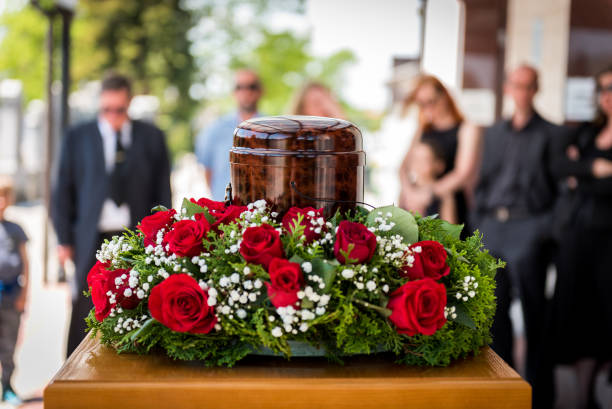
Wilson Garden Electric Crematorium Families across India handle these dignified moments through a harmonious mix of joint effort and refined etiquette. Across both historic towns and modern neighborhoods, the active participation of the surrounding community underpins every step of the cultural farewell. This social tradition provides a supportive atmosphere allowing society to express gratitude, care for grieving households, and pass on oral histories.
The Aesthetics of Preparation and Family Devotion
The White Procession: Community Solidarity in Motion
Element
Primary Material
Cultural Significance
Attire
Traditional White Attire
Represents purity, equality, and shared grief.
Carrying Litter
Woven Bamboo and Foliage
Shows natural elegance and traditional utility.
Garlands
Fresh Marigolds, Lotus, and Roses
Conveys family devotion and visual honor.
Aromatics
Sandalwood Paste and Rosewater
Offers a fresh, dignified atmosphere.
Subcontinental Diversity in Farewell Customs
Repatriation Services in India Whether the final resting customs involve traditional earthen burials or ceremonial fire arrangements, the emphasis stays firmly placed on cultural values of offering the individual back to nature's elements with complete respect for the earth and ancestral eco-friendly customs.
Hospitality, Remembrance, and Social Continuity
Conclusion: An Enduring Legacy of Respect
Dead Body Transportation in Hyderabad The funeral customs of India offer a rich tapestry of social values, artistic traditions, and profound community solidarity. By handling personal farewells with public grace and communal support, these customs prove the enduring value of shared hospitality and tradition. Through beautiful floral arrangements, white-clad processions, regional artistry, and generous hospitality, Indian culture honors the journey of the individual while building stronger, more united neighborhoods for the future.